The objects that show up across the Conch Law novels by Donald Elton. Coffee on the stove, yellow legal pads under a fan, a tarp on the roof after the wind. Real-world gear, organized by category and tagged by the book each piece appears in.
Each card lists the book or books the item appears in. For the full series, see The Books on the home page or Donald Elton's Amazon author page.
A scarred desk, a fan that rattles, a yellow legal pad waiting under a coffee ring. The Conch Law working surface, in three pieces.

Cash's drafting weapon of choice. The 14-inch canary page anchors nearly every interior scene at the cottage office, and TOPS is the canonical brand on his stack.

The Reckless Disregard cover features Cash's pen. The Lamy Safari in black with a medium nib is the most common real-world match: rugged, refillable, mid-priced, and built to outlive its owner.

The pocket notebook Cash reaches for in Cayo Hueso when a full legal pad is too much. The kraft three-pack is the canonical Field Notes and the one most often photographed in writers' studios.
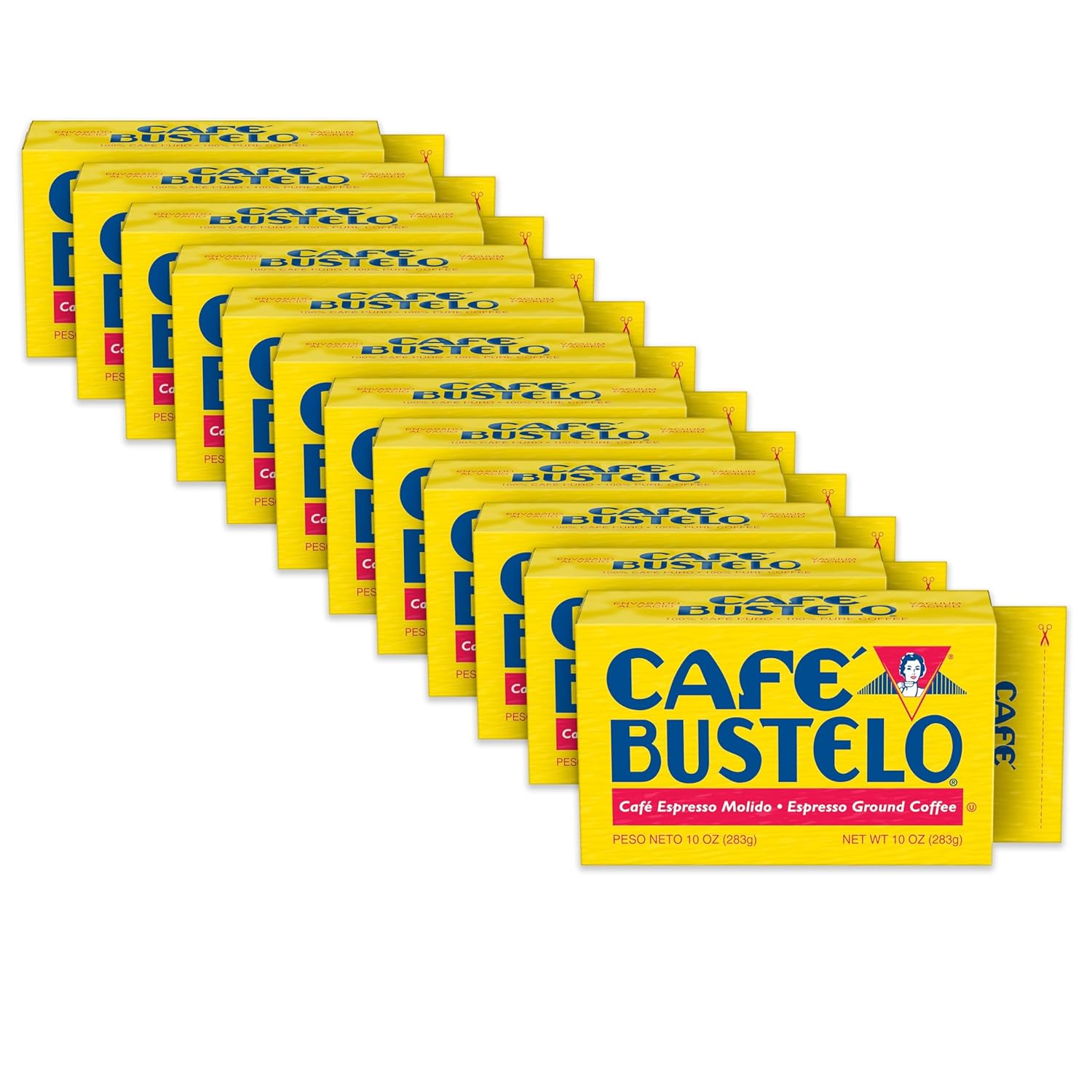
Coffee is its own character in these books. The three Cuban-style espresso bricks below are the brands actually stocked in Keys kitchens, and the moka pot is the hardware that turns them into a real cafecito.

The most common Cuban-style coffee in the books and in the real Keys. The 10-ounce vacuum brick is the supermarket standard and the one stocked in Cash's cottage kitchen.

The traditionalist's choice. Pilón is what an older Cuban-American household in Miami or the Keys still keeps on the counter, and the brand most often handed to a guest without asking.

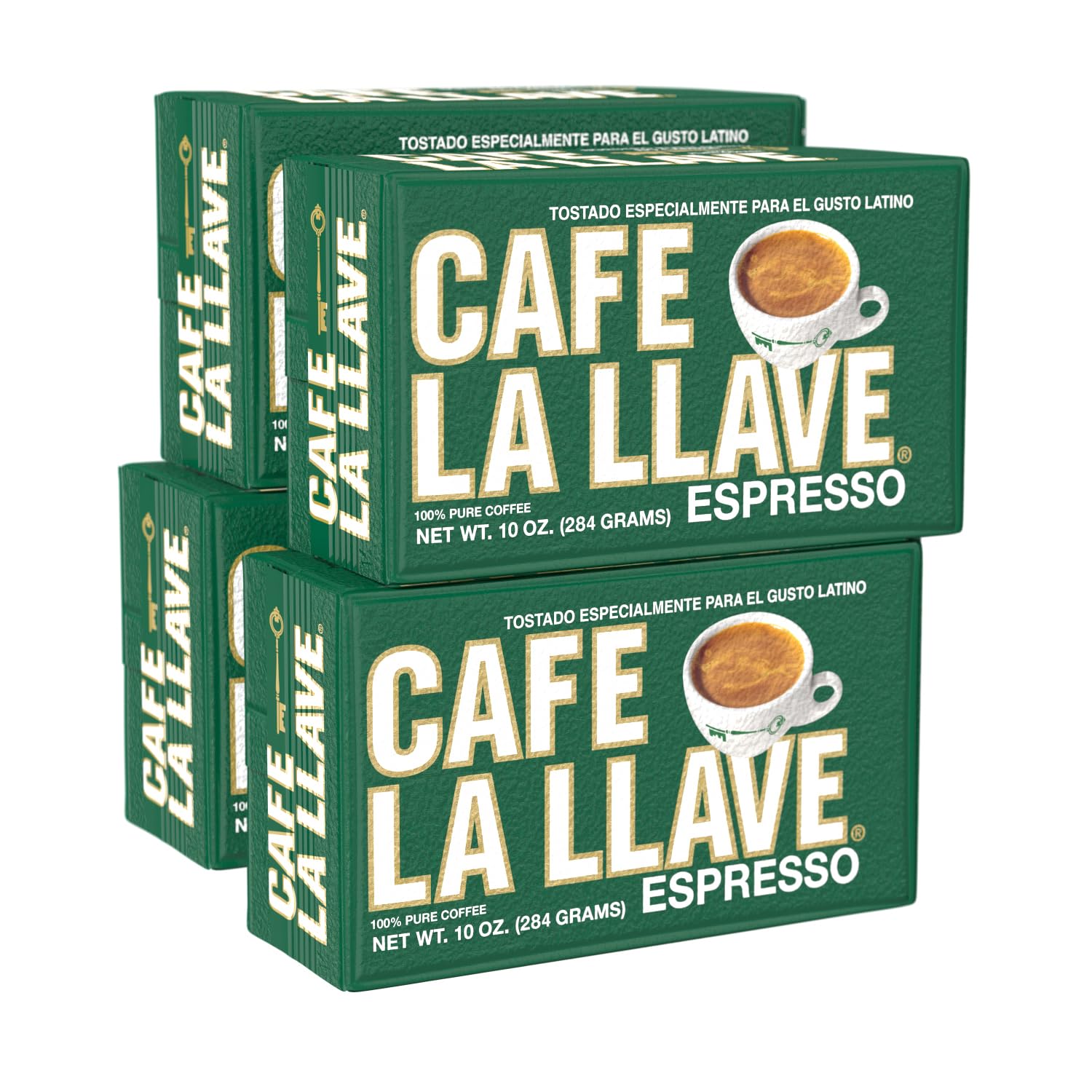
The Miami favorite. La Llave is the cafecito brand that quietly outsells the others in South Florida bodegas and the one Lena defaults to in the city.

The actual hardware. A Cuban cafecito is brewed in a moka pot, not a drip machine. The Bialetti six-cup is the canonical model and the one assumed in every cottage-kitchen scene.
Hemingway and Bach. The two writers most directly invoked in Reckless Disregard, in the editions a reader would most likely actually buy.

Named on the page in Reckless Disregard. Hemingway wrote it in Key West in the 1930s, and it remains the definitive Key West novel from the Hemingway period. Scribner trade paperback.

The natural pairing with To Have and Have Not. The Nobel Prize novella in the standard Scribner trade paperback edition.

Lena's Bach in Chapter 20 of Reckless Disregard. The 1981 Sony Classical recording is Gould's later, slower performance, and the version most often referenced when people say "the Gould Goldbergs."
Dead Reckoning is the storm-prep novel, and most of the gear in this section appears there. The household items that matter when the power is out and U.S. 1 is closed.

Cash's permanently installed generator in Dead Reckoning. The Generac Guardian line is the residential standard and the one most commonly seen mounted next to Keys homes.

The gold standard portable. Quiet, reliable, parallel-capable, and the one boat captains and contractors actually buy. The smaller backup when the whole-house unit cannot run.

Central to Dead Reckoning. When cell towers and cable internet drop, Starlink keeps the cottage online. The Mini is the portable kit Cash carries between locations.

Lena's setup in Dead Reckoning. Two-way text over the Iridium constellation when no cell coverage exists, plus an SOS trigger. Pocket-sized, battery-friendly, and the device most cruisers actually carry.

Cash's actual sat phone in Dead Reckoning. Voice and SMS over the Iridium constellation, which is the only satellite network with genuine pole-to-pole coverage. Factory-unlocked retail kit, ready for a prepaid or postpaid SIM.

Cash's weather radio. A rechargeable Midland is what the Keys emergency office recommends because it keeps working after the power goes out and AM/FM stations lose their towers.

For the gap between flashlights and a full generator. A Jackery Explorer 1000 will run a fridge for a few hours, charge phones for days, and is the most common "first power station" in Keys households.

The post-storm essential. A heavy blue poly tarp covers a missing patch of roof until a real roofer can get to it, which after a major storm in the Keys can take weeks.

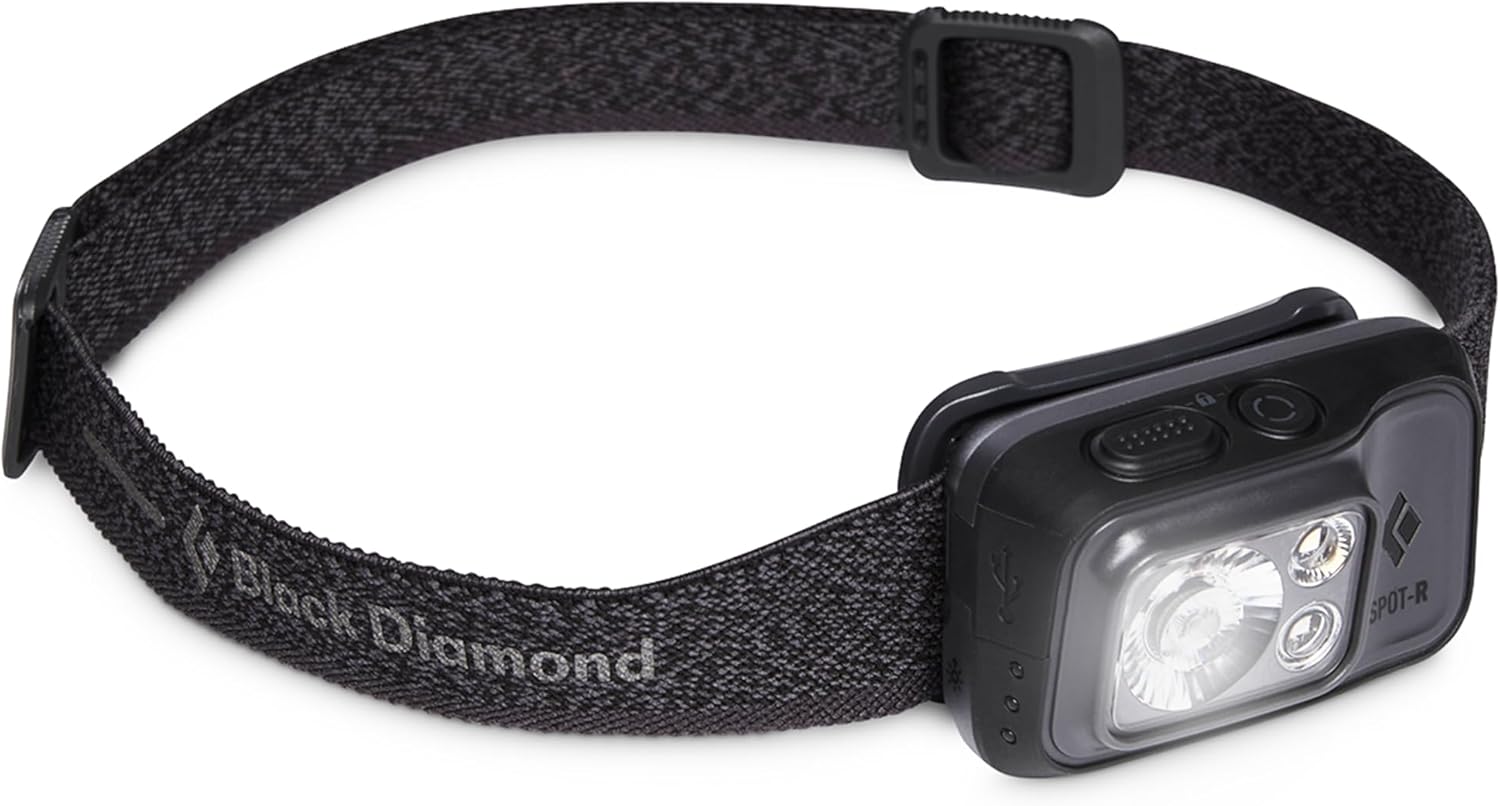
Hands-free light is the difference between fumbling and functioning when power is out. The Black Diamond Spot has been the recommended household headlamp for fifteen years running.

After the storm the fridge is the first casualty. A Tundra 45 with bagged ice holds insulin, milk, and dinner for a week. The RTIC equivalent does the same job for less money.
What a Keys captain actually has on the boat. Worn-in, sun-faded, functional, and chosen by people who replace it about every three seasons.

On the water in Florida, you wear Costas. The Fantail with 580P polarized lenses is the canonical charter-captain pick and the model most often referenced when the books say "Costas."

The Tamiami long-sleeve is the working uniform of every Keys charter captain. UPF 40, vented back, dries in fifteen minutes, and stays presentable enough to wear to the bar after the trip.

The handheld marine radio Cash keeps charged at the dock. Standard Horizon is the Keys captain's preferred brand and the HX210 is the floating-and-flashing model most often grabbed off the chart table.

Phones, keys, wallets, and the registration go in a dry bag the moment lines come off the dock. Sea to Summit is the most common brand carried on Keys charters.
The two objects that show up not as plot points but as background — the things the characters live with day to day.

"Racked under the seagrape" in Reckless Disregard. A Pelican Sentinel is the canonical entry-level sit-on-top: cheap enough to leave outside, stable enough for the flats, light enough to drag down to the water alone.

"Boat shoes arranged at careful angles" in Six Days to Live. The Authentic Original two-eye is the canonical Sperry: the model the brand has shipped basically unchanged since 1935.